TPO Single Ply Roofing in Syracuse, NY
Mechanically attached and fully adhered TPO roofing for Syracuse commercial buildings, detailed for lake-effect snow, wind uplift, and cold-weather seam welding.
TPO Roofing Built for Syracuse Winters
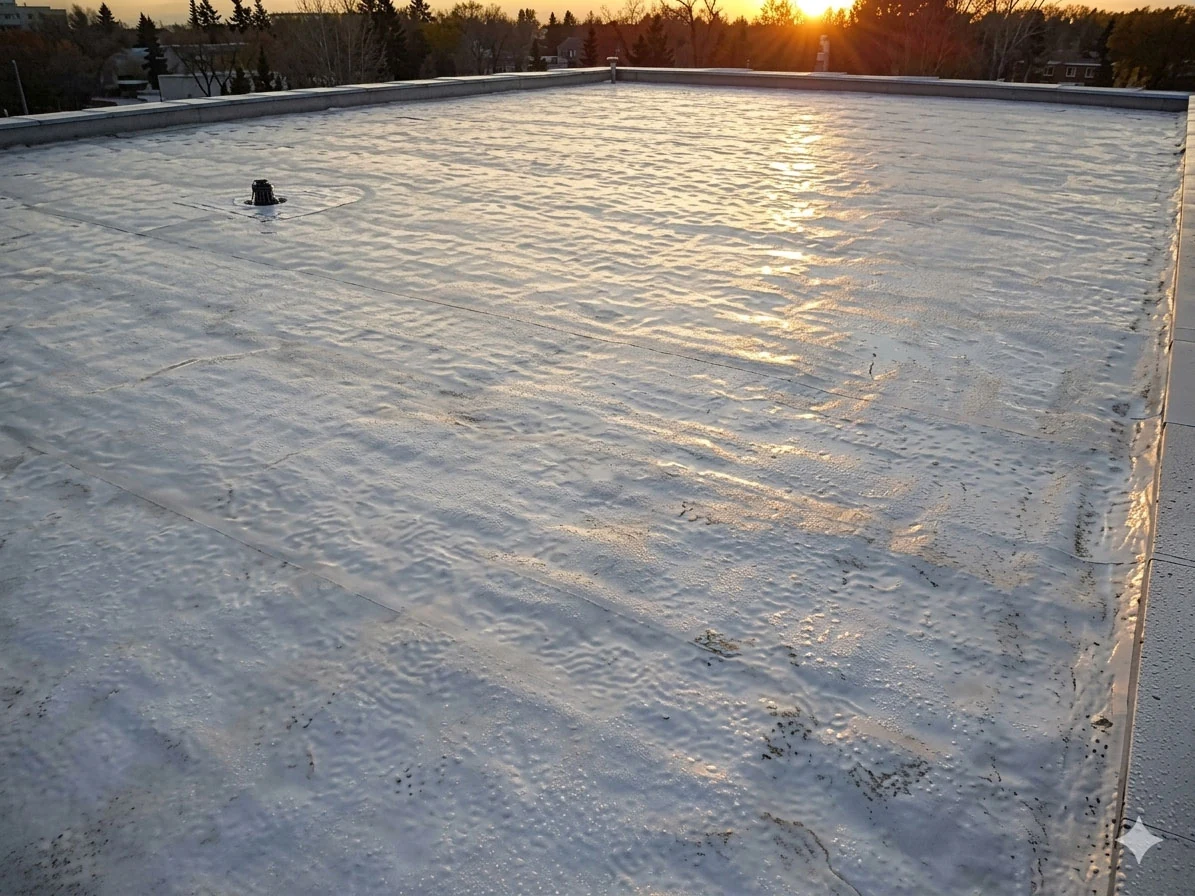
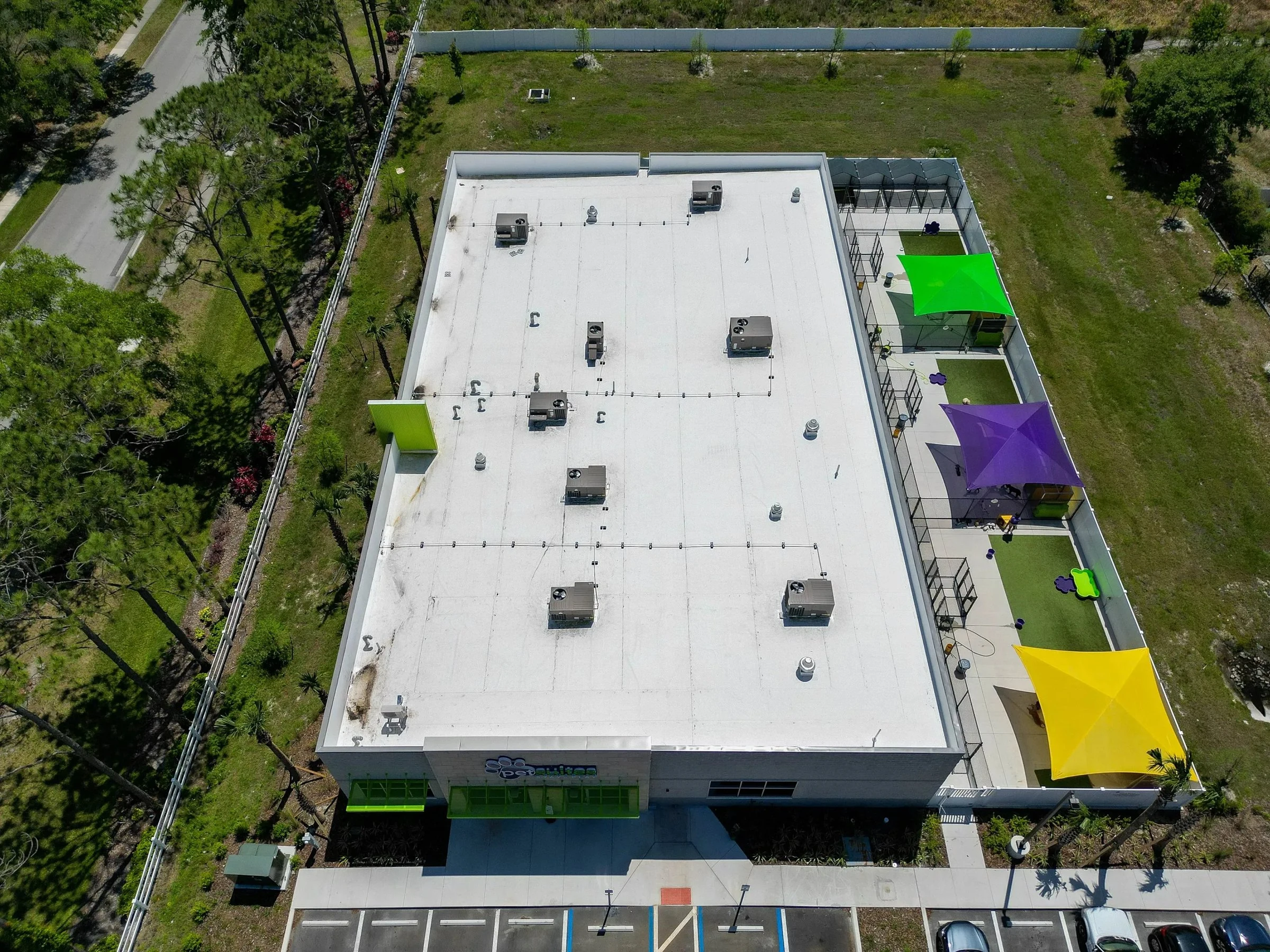
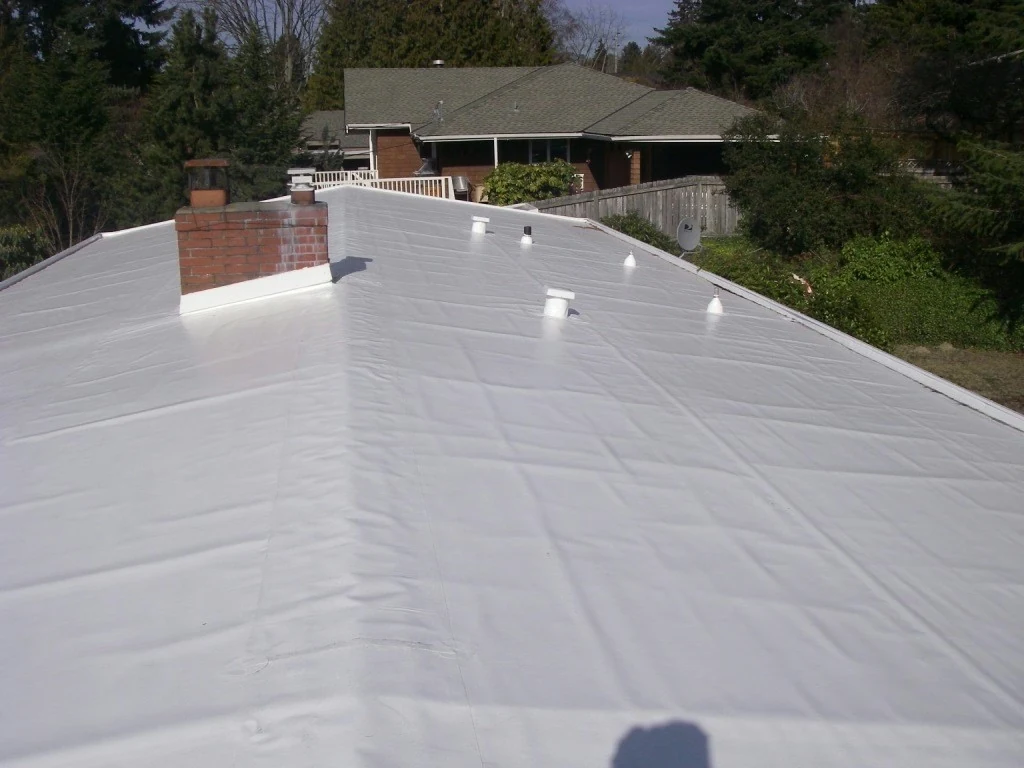
TPO is the single-ply membrane we install most on flat and low-slope commercial roofs in Syracuse. White reflective sheet, hot-air welded seams, and a system that handles both a July afternoon and a January cold snap if it's detailed right at the edges and penetrations. Here's how we spec and install it for this climate specifically.
Why TPO Fits This Climate
The white membrane reflects summer heat off buildings near downtown and the university corridor, which matters for rooftop mechanical loads and cooling costs on office and institutional buildings. In winter, that same reflectivity doesn't hurt performance - TPO's flexibility at low temperatures holds up better than older single-ply formulations did, which matters when you're dealing with a membrane that has to move through freeze-thaw cycles for six months straight.
We spec 60-mil sheet as the baseline on most commercial jobs and move to 80-mil on roofs with heavy foot traffic from rooftop mechanical service, or on buildings near the Clay corridor where we expect industrial-grade wear from equipment and maintenance access.
Welding Seams In Cold Weather
Hot-air welding TPO seams is where a lot of installs go wrong once temperatures drop. The welder settings that work fine at sixty-five degrees don't produce a clean weld at thirty-five without adjustment - welder speed, temperature, and roller pressure all need to change as ambient temperature drops. We probe every seam with a cotter pin as we go, not simply at the end of the day, because a bad weld is easy to catch immediately and expensive to find in March when it's leaking into a ceiling.
We also watch dew point closely on shoulder-season installs. Condensation on the membrane surface right before a weld ruins adhesion, and Syracuse mornings get damp fast off the lake. Crews start welds later in the morning here than they might in a drier climate.
Fastening Patterns for Snow and Wind Load
Mechanically attached TPO is our default on most commercial re-covers and new installs, and the fastening pattern is where snow drift planning actually shows up in the install. Perimeter and corner zones get tighter fastener spacing than the field of the roof, because that's where wind uplift and drift loading concentrate - especially on taller buildings near open retail corridors like Route 11 where wind exposure is higher.
On buildings with a documented snow drift history against parapets or rooftop units, we'll increase fastener density in those zones beyond code minimum. It costs more in materials and labor up front and it's cheaper than a membrane failure two winters later.
Flashing Details Where TPO Actually Fails
The field membrane on a TPO roof rarely fails on its own. Leaks come from flashing at parapets, curbs, pipe penetrations, and drains - the details where a crew is doing more hand work and less machine welding. We build these areas up with reinforced membrane and extra target patches at every penetration, and we check them again during our maintenance visits because they're the first thing to move when a building settles or a rooftop unit gets serviced and the tech doesn't reseal a boot properly.
Common failure points we watch on Syracuse buildings include:
- Parapet wall caps where ice damming forms during a January thaw-refreeze cycle
- Rooftop unit curbs disturbed during HVAC service calls
- Drain bowls where debris and ice buildup backs water onto the membrane
- Pipe penetrations near mechanical rooms with high foot traffic
- Expansion joints on older institutional buildings with multiple additions
- Perimeter edge metal where wind uplift stresses the membrane termination
Insulation and Cover Board Under the Membrane
Insulation thickness under a TPO system matters more here than in a milder climate, both for energy code compliance and for keeping the deck warm enough that condensation doesn't form on the underside during deep cold snaps. We layer polyiso insulation in staggered boards to break thermal bridging at the joints, and we use a cover board over it on most jobs - it protects the insulation from foot traffic and gives the membrane a more stable substrate for welding.
On recover jobs over an existing roof, we check moisture content in whatever's already up there before deciding whether it can stay in place or needs to come off. Wet insulation under a new membrane is one of the most common reasons a roof fails early, and it's not always visible from the surface.
Questions We Get About TPO in Syracuse
How long does a TPO roof typically last here?
Manufacturer warranties on commercial TPO systems commonly run fifteen to twenty years depending on mil thickness and system type, though actual service life depends heavily on install quality, drainage, and maintenance. Roofs with poor drainage or repeated ice damming tend to need attention sooner regardless of the warranty term.
Is white TPO a problem for snow melt and refreeze?
Membrane color doesn't drive snow melt in any meaningful way - insulation value and interior heat loss through the roof assembly matter far more. The bigger factor is drainage design and whether meltwater has somewhere to go before it refreezes.
Can you install TPO over an existing EPDM roof?
Sometimes, if the deck is sound and the existing membrane is dry and adhered well enough to serve as a substrate, usually with a cover board layer between the two. We evaluate that on a roof-by-roof basis rather than assuming it will work.
What mil thickness do you recommend for a warehouse near the Micron corridor?
We typically spec 80-mil on industrial and logistics buildings expecting heavy rooftop equipment traffic, since the thicker sheet resists punctures from tools and foot traffic better over the roof's life.
Do you offer any workmanship warranty separate from the manufacturer's?
We stand behind our installation work and address workmanship issues that come up after a job, separate from whatever material warranty the manufacturer provides on the membrane itself.
Questions About TPO Single Ply Roofing in Syracuse, NY
Ready to Review the Roof?
Service Area
Syracuse, NY
Roofing Category
Assessment Focus
Condition
Drainage
System options
Occupied operations
Next Step