Roof Recover & Overlay in Syracuse, NY
Roof recover and overlay evaluation for Syracuse commercial buildings, covering moisture scanning, code compliance, and snow load capacity.
Recover Roofing Without a Full Tear-Off
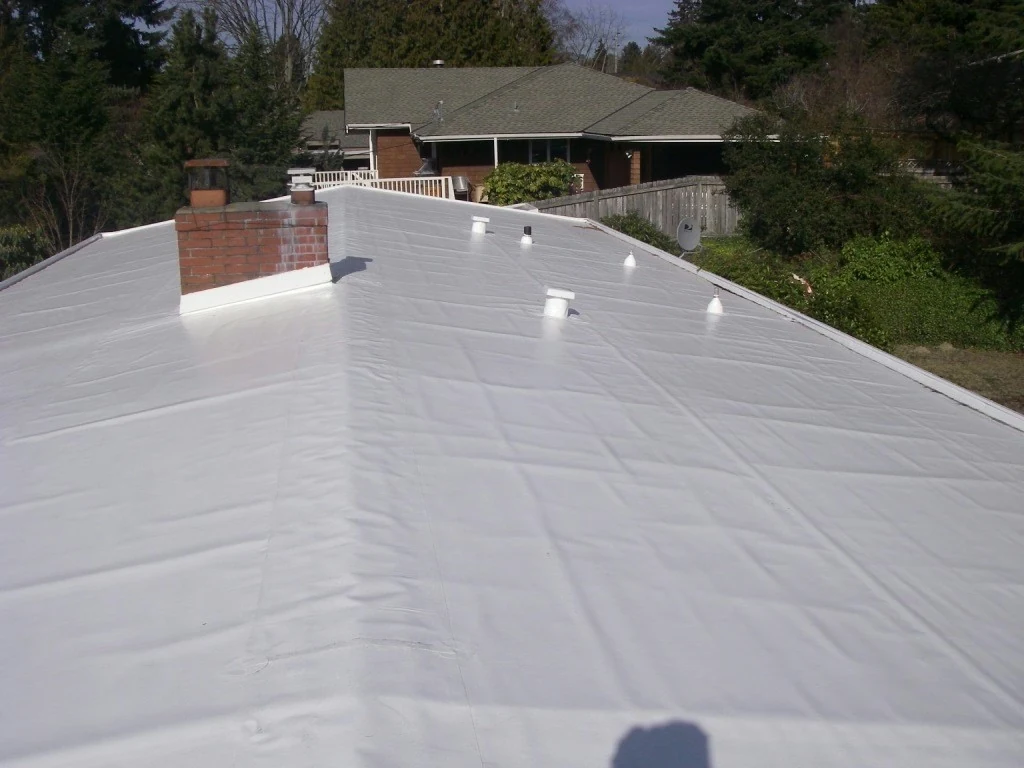
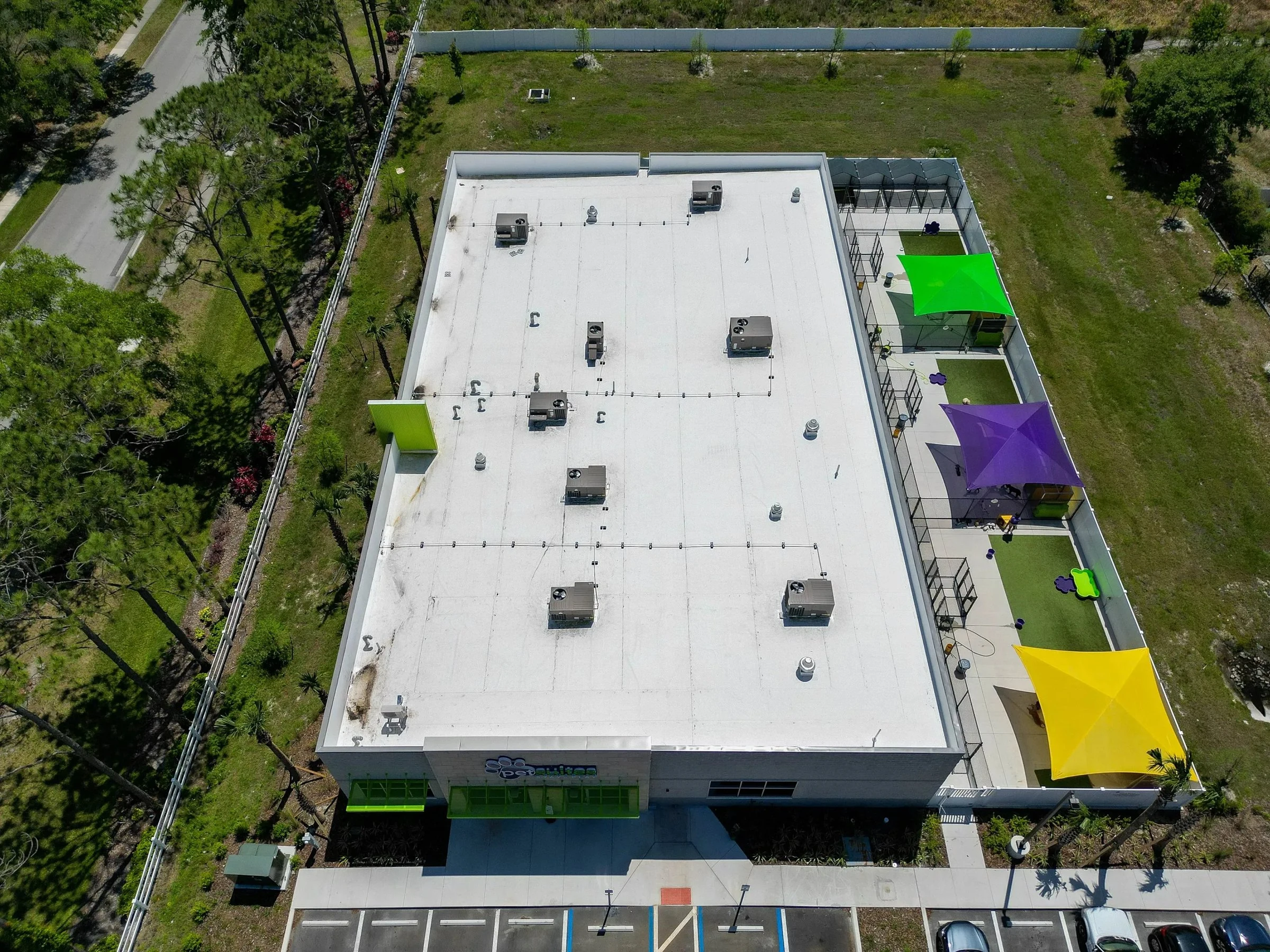
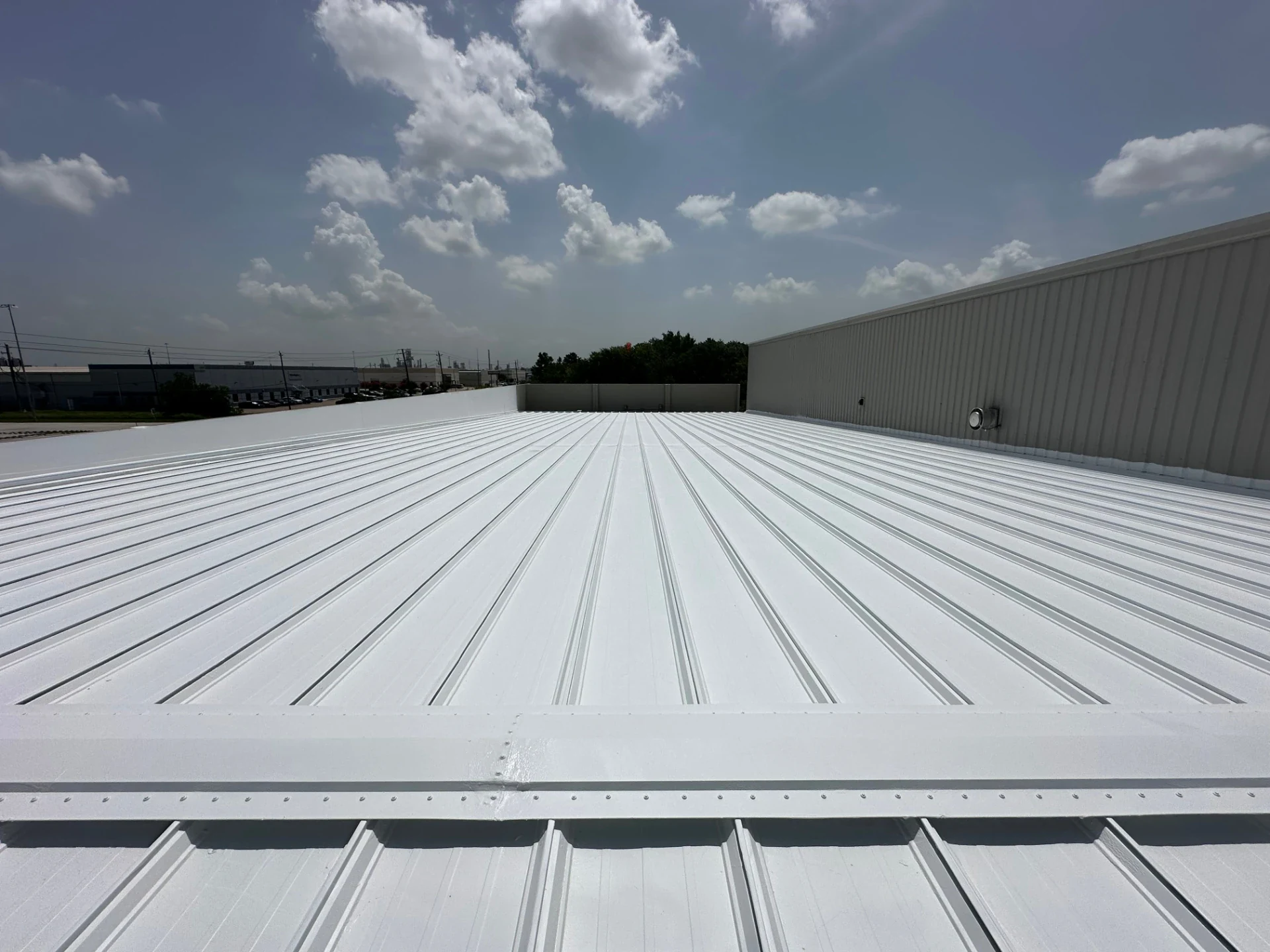
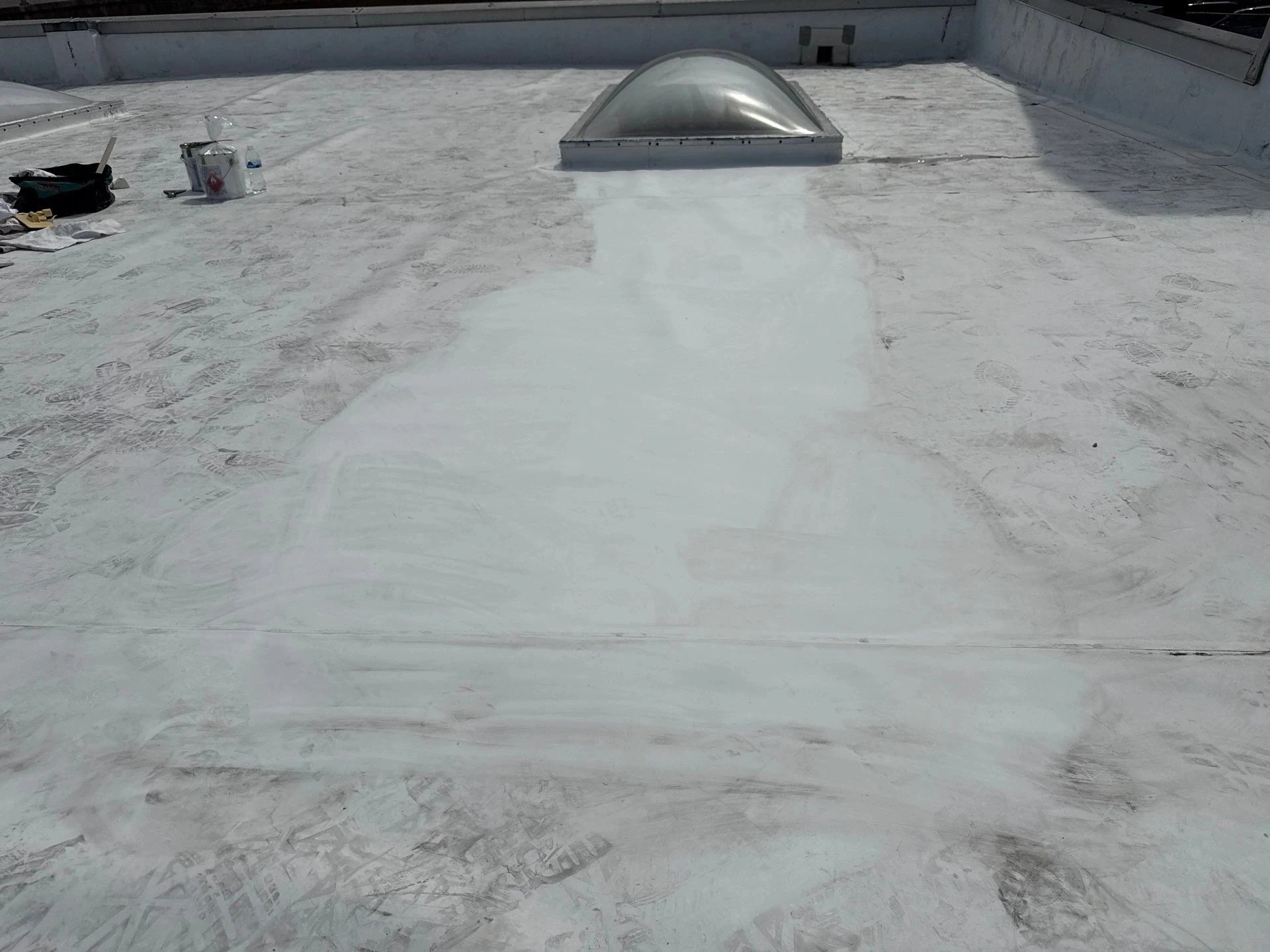
Recover, sometimes called overlay, means installing a new roof system over an existing one that's still structurally sound instead of tearing everything down to the deck. It's a real option on a lot of the buildings we assess here, and it's not the right call on plenty of others. The deciding factors are the same every time - deck condition, moisture, and code compliance.
What Actually Qualifies a Roof for Recover
Recover works when the existing roof deck is structurally sound, the current membrane and insulation are dry, and there's no more than one existing roof layer already up there in most jurisdictions that allow recover at all. We start every recover evaluation with a moisture scan - infrared or capacitance, depending on conditions - because wet insulation under a new membrane is the single most common reason a recover job fails prematurely. If the scan shows significant wet areas, recover is off the table until that's addressed, whether that means partial tear-off in wet zones or reconsidering the whole approach.
We also check how many roof layers already exist. Many buildings around Syracuse's older commercial corridors have been recovered once already, sometimes decades ago, and building code generally limits how many layers can stack before a full tear-off becomes mandatory. We pull permit and roofing history where we can to confirm this rather than assuming based on what's visible from a roof walk.
Why Recover Makes Sense Financially
Skipping tear-off cuts labor and disposal costs significantly, since the crew isn't stripping and hauling away an entire existing roof system before the new install can even begin. It also shortens the project timeline, which matters on occupied buildings - hospitals, schools, and retail spaces where extended construction disruption has a real cost beyond the roofing invoice itself.
The tradeoff is that recover doesn't give us a chance to inspect and repair the deck itself, since it stays covered by the old roof system throughout. That's exactly why the upfront moisture scan and layer count matter so much - we're making a bet that what's under there is sound, and we want real data behind that bet, not a visual guess.
Thermal Code Compliance on a Recover
Energy code requirements have gotten stricter over the years, and a roof installed decades ago almost never meets current insulation R-value requirements on its own. Recover projects give us a chance to add insulation as part of the new assembly, layering additional polyiso above the existing roof to bring the total assembly up to current code before the new membrane goes down. We calculate required thickness based on the existing insulation's estimated value and current code minimums for the building's use and location.
This added insulation layer also raises the roof's overall height slightly, which occasionally affects parapet height, door thresholds, or rooftop equipment curb heights - details we check before the project starts so nobody's surprised by a curb that's suddenly too short after the new roof height is set.
Snow Load Implications of Adding Layers
Every layer added to a roof through recover - insulation, cover board, new membrane - adds dead load to a structure that already has to carry Syracuse's snow load through the winter. We calculate the added weight from a recover assembly and check it against what the structural system was designed to carry, particularly on older buildings where we may not have original engineering drawings and need to work from field measurements and reasonable assumptions instead.
Factors we check before recommending recover over tear-off:
- Moisture content in existing insulation and roof assembly
- Number of existing roof layers already present
- Structural capacity for the added dead load of a new assembly
- Current thermal code requirements versus existing insulation value
- Parapet, curb, and threshold height clearances after the build-up
- Deck condition inferred from age, roof history, and visible signs
When We Recommend Tear-Off Instead
We steer owners toward full tear-off when moisture scans show widespread wet insulation, when the roof already has the maximum permitted layers, when there's reason to suspect deck damage that needs direct inspection, or when the structural math on added dead load doesn't leave enough margin for safe operation. We'd rather tell an owner honestly that recover isn't the right move than sell a faster, cheaper project that creates bigger problems in a few years.
Recover and Overlay Questions
How do you know if my roof has wet insulation before starting?
We run a moisture scan - infrared thermography or capacitance meter readings, depending on roof type and conditions - before recommending recover on any project, rather than relying on a visual inspection alone.
Is recover cheaper than tear-off and replacement?
Generally, yes, since it avoids demolition and disposal costs and shortens the install timeline. The savings only make sense if the existing roof actually qualifies structurally and moisture-wise.
How many times can a roof be recovered before it needs a tear-off?
Building codes typically limit the number of roof layers allowed before a full tear-off is required, and the specific limit depends on local code adoption. We check this as part of every recover evaluation.
Does recover meet current energy code requirements?
It can, since we add insulation as part of the recover assembly to bring total R-value up to current code minimums - that's a standard part of how we scope these projects.
Will a recover roof affect my rooftop equipment clearances?
It can slightly raise the roof surface. We check curb heights, parapet clearances, and equipment access before starting so any adjustments needed are planned rather than discovered mid-project.
Questions About Roof Recover & Overlay in Syracuse, NY
Ready to Review the Roof?
Service Area
Syracuse, NY
Roofing Category
Assessment Focus
Condition
Drainage
System options
Occupied operations
Next Step