Commercial Roof Coatings in Syracuse
Commercial roof coatings in Syracuse with candidacy checks, preparation requirements, restoration scope, drainage review, and warranty planning.
Acrylic Coatings for Well-Drained Commercial Roofs
A coating recommendation starts with adhesion, moisture, drainage, membrane condition, detail preparation, and warranty eligibility-not every existing roof is a restoration candidate. Acrylic roof coating is the budget-conscious option we bring up when a roof needs UV protection and a reflective surface refresh but doesn't have the standing water problems that push us toward silicone instead. Lower material cost, easier application, and solid performance on the right roof - here's where acrylic fits in our region and where it doesn't.
Where Acrylic Makes Sense
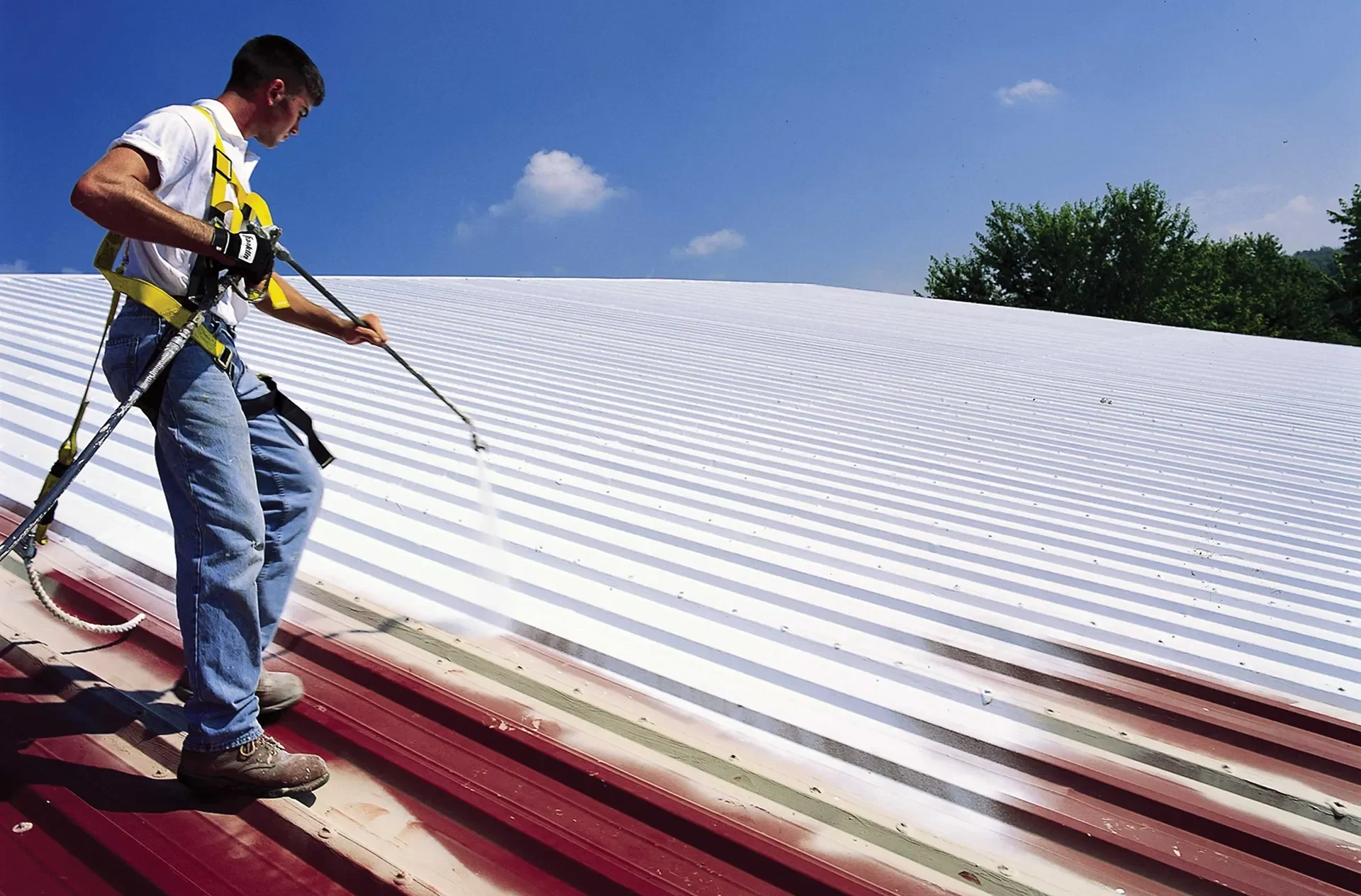
Acrylic coating works best on roofs with adequate slope and drainage - metal roofs, single-ply membranes with good drainage design, and roofs where standing water isn't a recurring issue after a rain or a spring thaw. On those roofs, acrylic delivers strong UV reflectivity and weather protection at a lower cost per square foot than silicone coating, which matters on larger roof areas where the price difference adds up fast.
We see it used often on retail and office buildings along the Route 5 and Route 11 corridors where roofs are relatively simple in shape and drainage was designed properly the first time. It's also a common choice for extending the life of an R-panel or standing seam metal roof's factory finish once that coating starts chalking or fading.
Why Standing Water Is the Dealbreaker
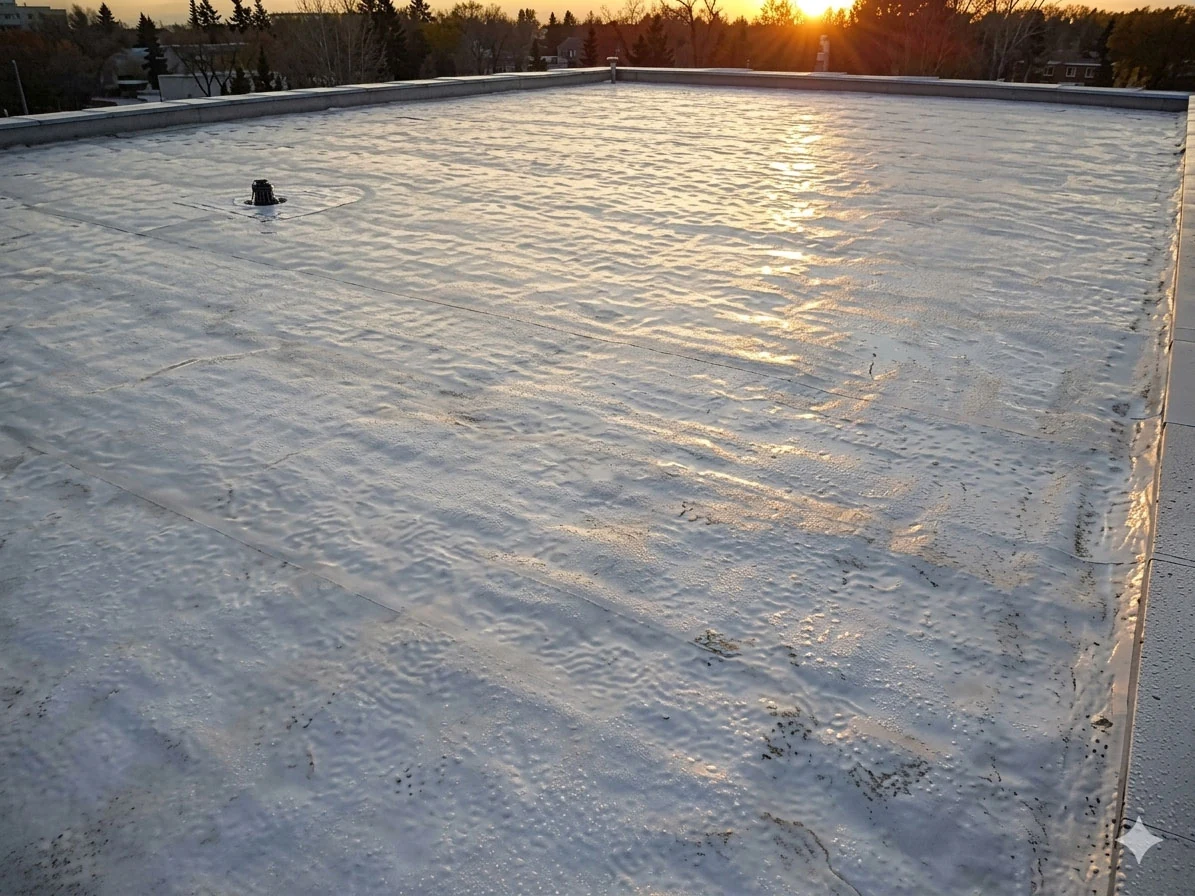
Acrylic coatings are water-based, and prolonged exposure to ponded water can cause them to soften, re-emulsify, or lose adhesion over time in ways that silicone simply doesn't experience. On a lot of the older flat roofs around the city where drainage slopes were never quite right to begin with, acrylic isn't the right call even though it costs less - the coating will underperform specifically at the low spots where it matters most.
We check drainage patterns closely during every acrylic evaluation, watching for low spots that hold water more than roughly a day or two after a rain event. If we find them, we either recommend silicone instead or address the drainage issue itself - adding drains or tapered insulation - before coating goes down.
Reflectivity and Rooftop Heat Load
White acrylic coating cuts summer heat gain on a building significantly compared to an aged, darkened membrane surface, which shows up as reduced cooling load on buildings with rooftop HVAC units working hard through Syracuse's humid summer stretches. On institutional and retail buildings where cooling costs matter to the owner's bottom line, that reflectivity benefit alone can justify a coating project even before factoring in the waterproofing extension.
The reflectivity does fade over time as the coating picks up dirt and UV exposure breaks down the surface gloss, which is part of why we talk to owners about a recoat cycle rather than presenting acrylic as a permanent fix.
Application Steps That Determine Performance
Surface prep matters just as much with acrylic as it does with silicone. We pressure wash to remove dirt, chalk, and biological growth, repair any active leaks and failed seams before coating goes down, and prime bare or particularly porous substrate so the coating adheres properly rather than peeling within a season or two. On metal roofs specifically, we treat any rust spots before coating, since coating over active corrosion just hides a problem that keeps progressing underneath.
Things that determine how long an acrylic coating job actually performs:
- Drainage adequacy and absence of standing water after rain events
- Surface prep quality, especially rust treatment on metal roofs
- Coating thickness applied in proper multiple-pass coverage
- Weather window during application, avoiding rain within the cure period
- Existing seam and flashing condition addressed before coating
- Substrate compatibility confirmed before coating begins
Cure Time and Weather Timing
Acrylic coating needs a dry cure window without rain, and Syracuse's weather doesn't always cooperate with a long dry stretch, especially outside the summer months. We watch the forecast closely and stage application to avoid coating right before a rain system moves through, since rain on a coating that hasn't cured can wash it off the roof entirely and waste the material and labor. Summer remains the most reliable window for acrylic projects here, both for cure conditions and temperature.
Acrylic Coating Questions
Is acrylic coating a good fit for a flat roof with poor drainage?
Generally not on its own. Standing water degrades acrylic coatings over time, so we either recommend silicone instead or address the drainage problem before coating a roof with ponding issues.
How much does acrylic coating typically cost compared to silicone?
Acrylic material costs are usually lower than silicone, though the right choice depends on the specific roof's drainage and condition, not price alone - a coating that underperforms because of ponding water isn't actually a savings.
Can acrylic coating be applied over a metal roof's factory finish?
Yes, once that finish starts chalking or fading, provided the surface is properly cleaned and any rust spots are treated first.
How often does an acrylic-coated roof need to be recoated?
It depends on coating thickness, UV exposure, and foot traffic, but we build a recoat expectation into the project from the start rather than treating the first application as permanent.
Will acrylic coating stop an active roof leak?
We repair active leaks and failed seams before coating goes down - coating isn't a substitute for fixing a known leak source, it's a protective layer applied to a sound, repaired substrate.
Questions About Commercial Roof Coatings in Syracuse
Ready to Review the Roof?
Service Area
Syracuse, NY
Roofing Category
Assessment Focus
Condition
Drainage
System options
Occupied operations
Next Step