Spray Polyurethane Foam Roofing in Syracuse, NY
SPF roofing for irregular Syracuse commercial roof geometry: self-flashing penetrations, added insulation value, and narrow install-window constraints.
Spray Foam for Roofs That Don't Fit a Standard Membrane Sheet
Spray polyurethane foam is the system we bring up on roofs with awkward geometry - a lot of penetrations, curved sections, or a deck that doesn't lend itself to laying down standard membrane sheets. It's a smaller part of our overall bid volume, but on the right building it solves problems a flat sheet product genuinely can't.
Self-Flashing Around Penetrations
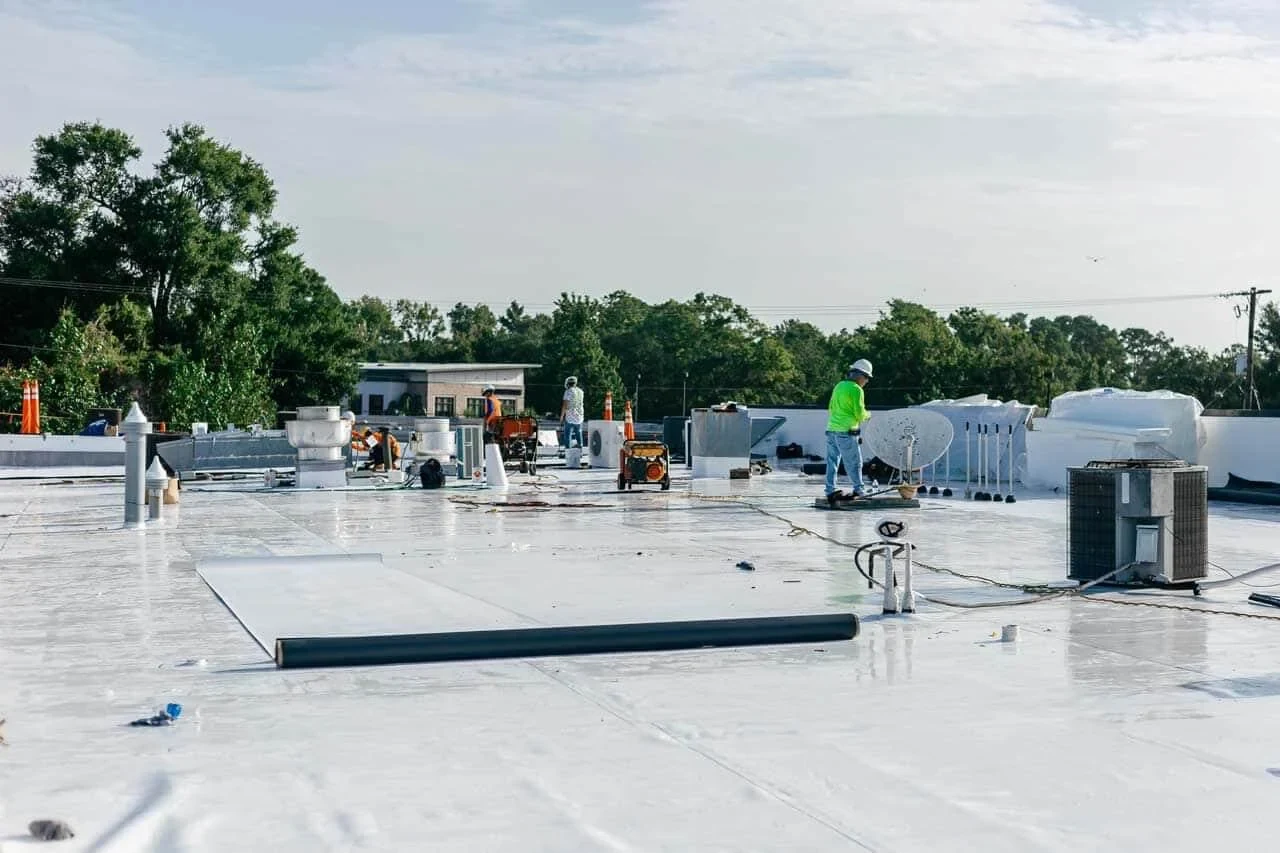
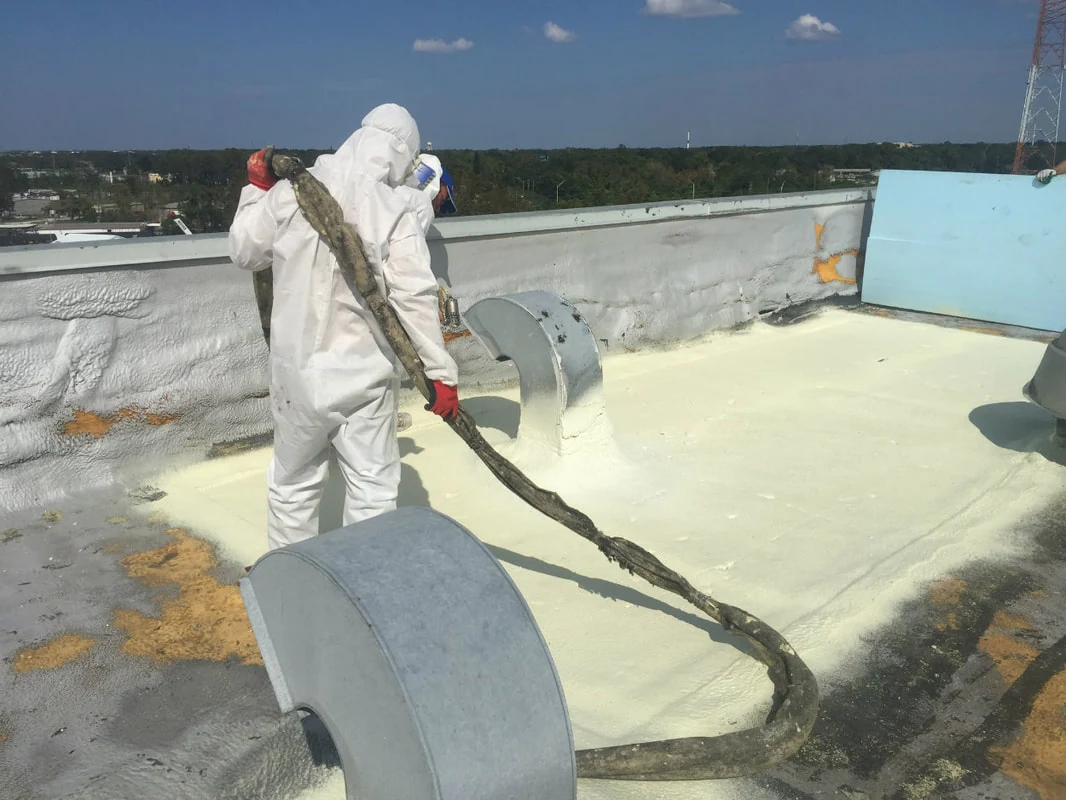
SPF is sprayed as a liquid that expands and cures into a continuous foam surface, then topcoated with a protective silicone or acrylic finish. Because it's applied wet rather than laid as a sheet, it flows around pipes, curbs, and irregular penetrations without the cut-and-flash detail work a membrane roof requires at every one of those points. On industrial buildings with heavy penetration counts - quarry operation buildings around Jamesville, for example, or older ag-service structures near Jordan - that self-flashing quality cuts down on the number of failure-prone seam and flashing details a standard membrane roof would need.
Added R-Value in a Cold Climate
Foam is also insulation, not simply a weather barrier. Applying SPF adds real R-value directly at the roof deck, which matters in a climate where heating load runs most of the year. On a building where the existing insulation package is thin or outdated, an SPF roof addresses the insulation deficiency and the weatherproofing in the same install, rather than requiring a separate insulation retrofit underneath a new membrane.
Lightweight Load Compared to Ballasted or Multi-Ply Systems
Foam roofing weighs less per square foot than a ballasted system or a multi-ply built-up roof. On older structures where the deck framing wasn't engineered for heavy roof dead load - a real consideration on some of the older buildings scattered through this region's smaller villages - that lighter weight can matter when a structural engineer is reviewing what the existing framing can actually carry, especially once you add the region's snow load on top of the roof's own dead weight.
The Application Window Is Narrow Here
This is the honest trade-off with SPF in a climate like Syracuse's. The spray application requires a dry substrate and a specific temperature and dew point window to cure correctly - moisture in the substrate or high humidity during application causes bubbling and adhesion failure in the cured foam. Lake-effect humidity and a short warm season narrow the realistic install window more here than in a drier climate. We schedule SPF work carefully around forecasted conditions rather than committing to a date and hoping the weather cooperates, because a bad application under the wrong conditions is a callback waiting to happen.
- Roofs with heavy penetration counts and irregular deck geometry
- Older buildings needing added insulation value at the roof deck
- Structures where deck framing can't support a heavier roofing system
- Curved, sloped, or non-standard roof sections membrane sheets don't fit well
- Industrial buildings prioritizing continuous coverage over cut-and-flash detailing
Topcoat Maintenance Over Time
The protective topcoat over SPF wears with UV exposure and needs periodic recoat to keep the underlying foam protected, similar in concept to a silicone coating maintenance cycle but tied specifically to the foam system. We build that recoat interval into the maintenance conversation before the job starts, because an SPF roof neglected past its topcoat life starts degrading in ways that are more expensive to correct than a timely recoat would have been.
Done on schedule, a maintained SPF roof holds up well over a long service life, and the insulation value doesn't degrade the way the topcoat does, which is part of why we still recommend it on the right building despite the narrower install window this climate imposes.
Spray Foam Roofing Questions From Building Owners
Can spray foam roofing handle Syracuse winters?
Once cured and properly topcoated, yes. The challenge is the install window itself, which requires dry, stable conditions we schedule around carefully in this climate.
Does SPF add real insulation value, or is that oversold?
It adds genuine R-value at the roof deck, which is a real advantage in a heating-dominated climate, particularly on buildings with a thin existing insulation package.
Is spray foam roofing lighter than other systems?
Yes, generally lighter than ballasted or multi-ply built-up systems, which can matter on older structures with limited deck load capacity.
How often does the topcoat need to be redone?
It depends on UV exposure and traffic. We set a specific recoat interval for the roof rather than a blanket number, and build it into the maintenance plan up front.
Why isn't SPF used more often if it works this well?
The install window is narrower here than in a drier, milder climate, and the application requires more precise conditions than laying a membrane sheet. We reserve it for roofs where its specific advantages are worth that constraint.
Questions About Spray Polyurethane Foam Roofing in Syracuse, NY
Ready to Review the Roof?
Service Area
Syracuse, NY
Roofing Category
Assessment Focus
Condition
Drainage
System options
Occupied operations
Next Step