Warehouse Roofing in Syracuse, NY
Warehouse roofing along the I-81/I-90 split through Liverpool, Salina, and the Route 31 corridor, priced from deck condition first, TPO the default membrane.
Warehouse Roofs Stacked Along the I-81/I-90 Split
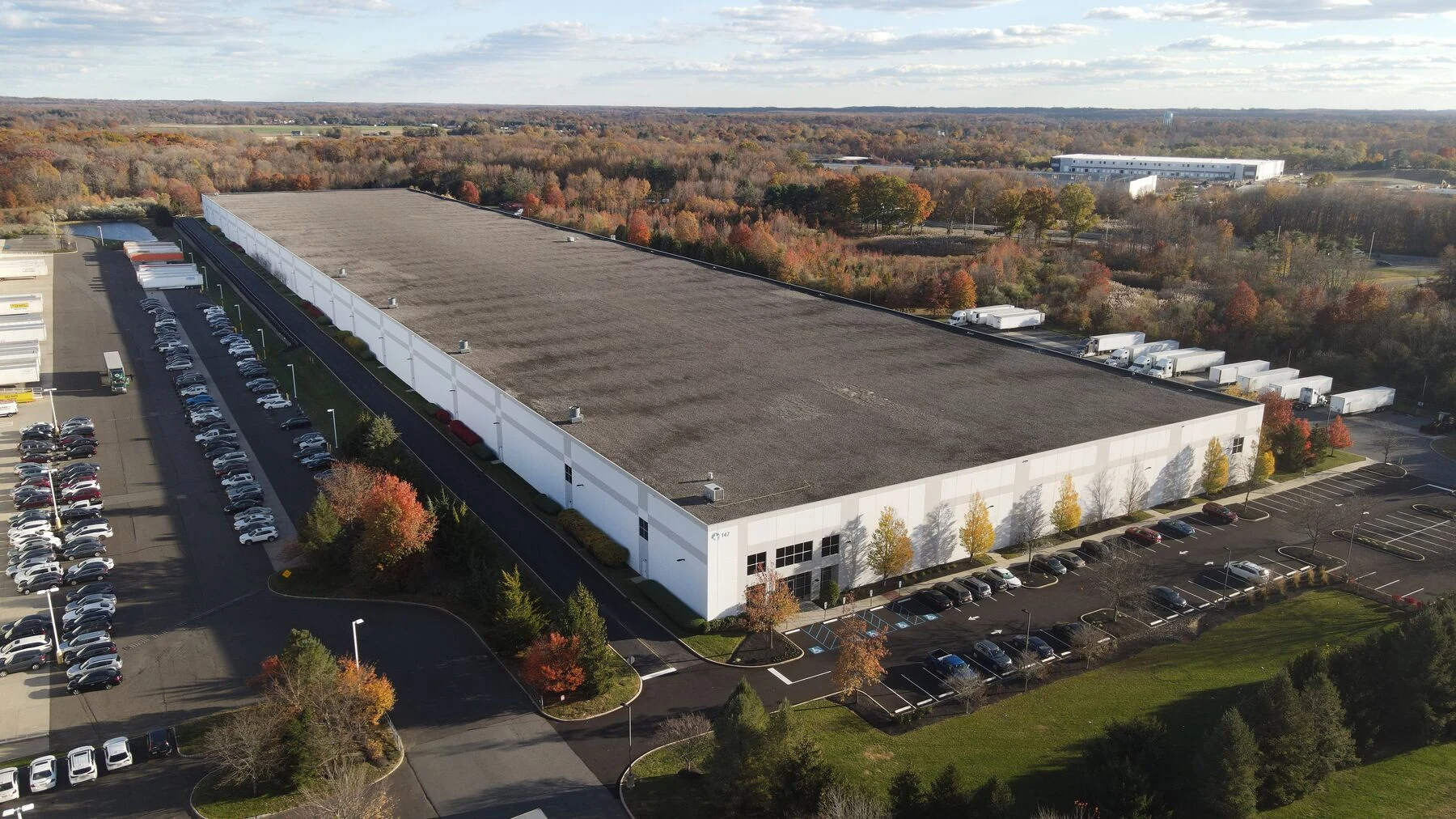
Every warehouse roof we bid in this market sits within a few miles of where I-81 meets the Thruway, and that interchange is basically the spine of the local distribution economy. Liverpool, Salina, East Syracuse, and now Clay all carry acres of flat single-ply roof, and we price nearly all of it the same way: from the deck condition up, not from the membrane label down.
Liverpool and Salina Hold Most of the Warehouse Square Footage Here
The distribution buildings ringing Liverpool and Salina range from older cross-dock facilities that have already been recovered once to newer logistics boxes built purely for clear span and dock count. We treat those two groups differently starting with the first site visit. An older recovered roof gets a full deck check before we quote anything, because a roof that's been patched over the years can be hiding corrosion a newer building simply doesn't have yet.
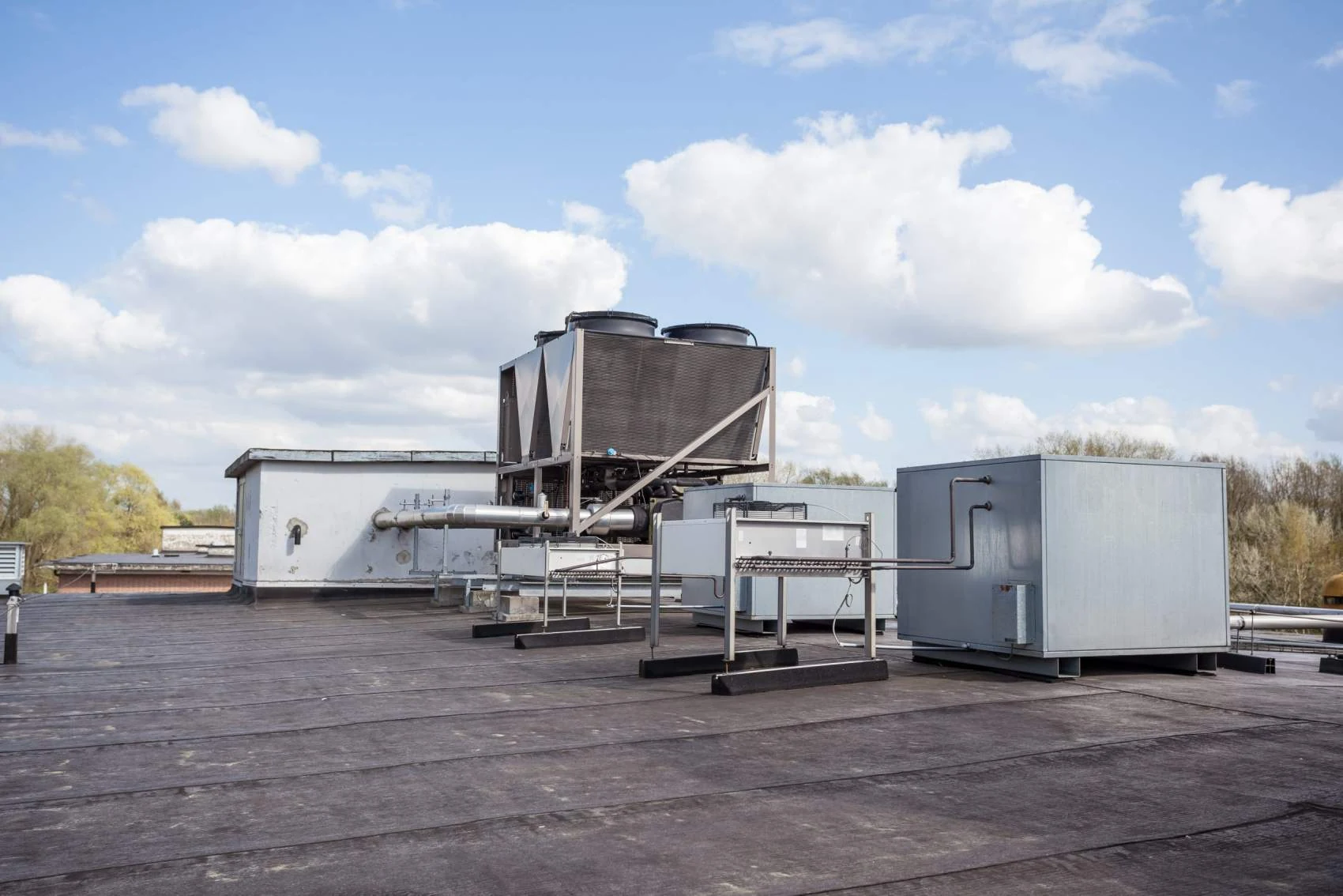
Rooftop equipment on these buildings tends to accumulate over time in ways the original roof plan never accounted for. Dust collection lines, added compressor pads, and conveyor penetrations installed by whoever needed them get catalogued during our walk rather than assumed to match whatever drawings exist on file.
Clay and the Route 31 Corridor Are Filling In Fast With the Micron Buildout
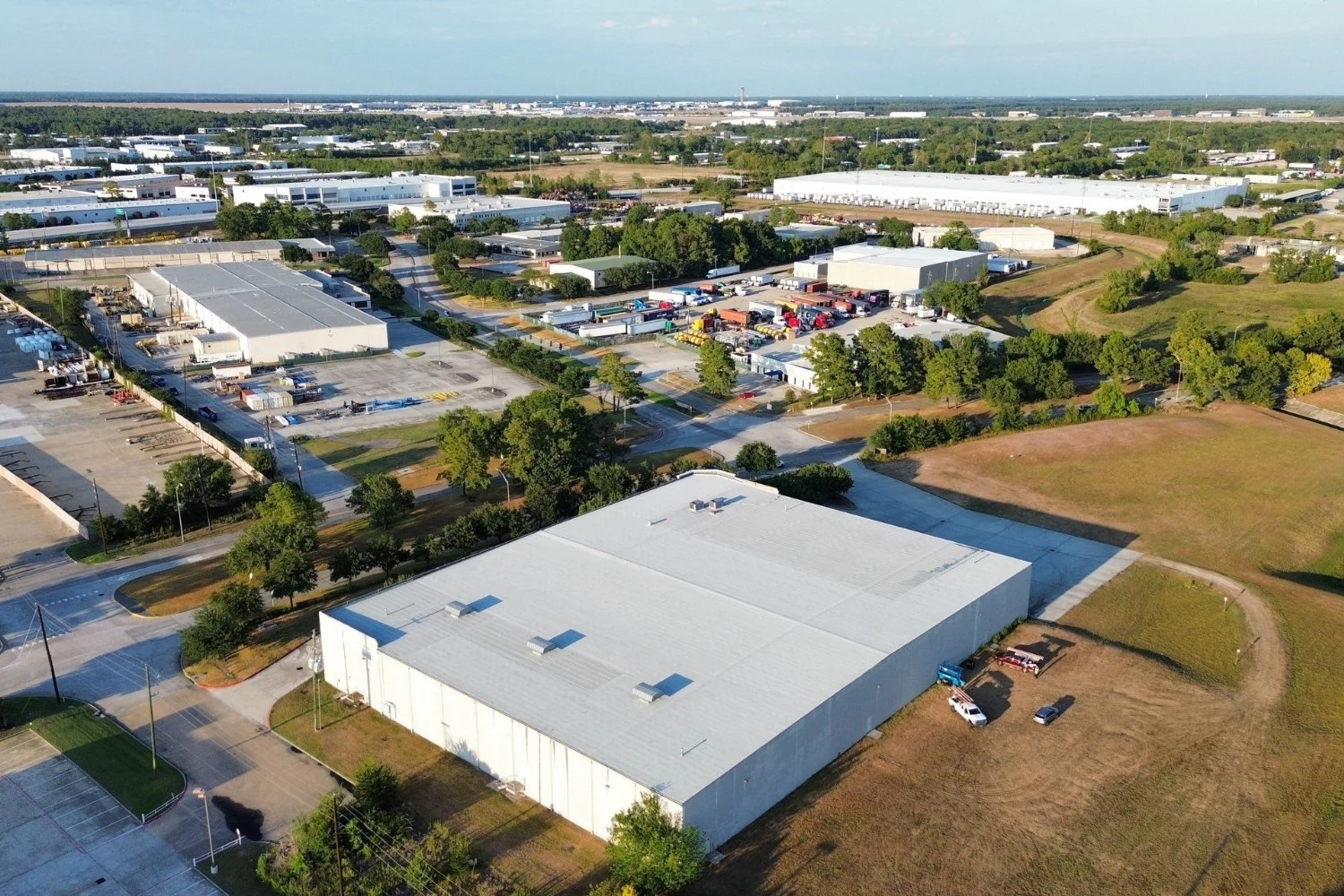
The chip fab project has pulled new construction into Clay and along Route 31 at a pace this corridor hasn't seen before, and most of it is warehouse and support-building square footage, not the fab itself. We aren't involved with the Micron site and don't claim any connection to it, but we're seeing more new-construction roof bids in that footprint and, some months, longer lead times on certain membrane roll widths because regional demand has gone up.
New-build roofing specs in this corridor get driven by the general contractor's schedule more than by the eventual tenant's preferences, which is a different set of priorities than a reroof on a building someone already owns and plans to hold.
Deck Gauge Sets the Ceiling Before Membrane Choice Even Comes Up
A warehouse roof measured in acres lives or dies on what the steel deck looks like underneath the membrane, not on which single-ply chemistry sits on top. Corrosion around old drains, HVAC curbs, or a slow leak nobody caught for years changes the entire scope of a job, and we check for it before quoting a number, because fastener pull-out on a weakened deck is a wind-uplift problem waiting to happen the next time a storm comes through off the lake.
On the larger reroofs we run fastener pull tests instead of taking the original design load on faith, and that check matters most on buildings that have swapped tenants a few times, picking up rooftop gear with each new lease that never made it onto a drawing.
The Walk-Through Before Any Warehouse Number Goes Out
Before we quote a warehouse roof, the same checklist runs every time:
- Steel deck corrosion around every drain, curb, and parapet flashing line
- Fastener pattern and pull-out resistance against current wind-uplift requirements
- Rooftop equipment added after original construction and how it was flashed
- Skylight and smoke-vent count, a recurring leak source on older warehouse stock
- Drainage capacity checked against the roof's actual footprint today
- Snow drift buildup against parapets and rooftop units from prior winters
That list moves the price more than TPO versus EPDM ever does. Owners who ask us to skip straight to a membrane quote usually end up with a revised number once the walk-through turns something up.
Off Lake Ontario, Drift Load Is the Real Structural Question
Lake-effect snow doesn't fall evenly across a flat roof. It drifts, and on an acre-scale warehouse building the drift against a parapet wall or a cluster of rooftop units can pile two or three times deeper than what lands across the open field. We check drainage capacity against realistic melt volume for this market rather than the code minimum alone, and we flag any roof where drift has clearly been stacking against the same wall winter after winter without anyone tracking it.
Rooftop units mounted on curbs that were sized for a milder snow year are a recurring problem we find on inspection. A unit that sits low gets buried and iced over most winters, which shortens its service life and adds weight exactly where the structure is already carrying the heaviest drift. Raising the curb is usually a smaller fix than the owner expects once we've identified it.
Freeze-thaw cycling adds a second layer to the same problem. Meltwater that can't reach a drain fast enough refreezes overnight, works into seams and fastener points, and comes back the next thaw as a leak that wasn't there in November. We push scheduled roof walks before and after winter on warehouse accounts for this reason, since catching a drainage problem in October is a lot cheaper than an emergency call in February.
What Warehouse Operators Ask Before They Sign
Why does your estimate take longer than a quick walk-around?
Because the number depends on deck condition, fastener pull-out, and drift history, none of which show up from the parking lot. We'd rather spend an extra hour on the roof than hand you a price we revise twice later.
Do you tear off in winter, or does that wait until spring?
We schedule tear-offs around weather windows, not the calendar. A dry cold stretch can work fine for a phased job; an active lake-effect pattern pushes the timeline regardless of season.
My roof is only ten years old - why is it already showing wear?
Ten winters of freeze-thaw and drift loading age a membrane faster here than in a milder climate. We check seams and fastener rows on newer roofs too, even the ones with no obvious problem yet.
Will crews work around our dock schedule and forklift traffic?
Yes, we stage material and phase the work in sections specifically so loading and floor operations underneath keep running.
Does adding rooftop solar or new HVAC change how you'd spec the roof?
It changes load calculations and penetration count, so we'd want that equipment plan before finalizing membrane thickness and fastener pattern, not after installation.
Questions About Warehouse Roofing in Syracuse, NY
Ready to Review the Roof?
Service Area
Syracuse, NY
Roofing Category
Assessment Focus
Condition
Drainage
System options
Occupied operations
Next Step